

Why this matters
Most businesses only notice their electrical, plumbing and fire systems when something goes wrong. The lights trip during trading hours. A leak damages ceilings and equipment overnight. A fire panel fault triggers a failed inspection at the worst possible time.
The problem is that these systems rarely fail all at once. Small issues build quietly in the background until they become expensive disruptions that affect operations, safety and reputation.
Power, water and fire protection are not just building services. They are part of what keeps a business running. When maintenance falls behind, the hidden costs start showing up in downtime, emergency callouts, damaged assets and growing operational risk.
The real cost of neglect
Electrical problems often develop slowly. Loose connections, overloaded circuits and ageing breakers create heat long before anyone notices a fault. Over time, this leads to wasted energy, damaged equipment and unexpected outages that interrupt operations when you can least afford it. Poor earthing and missing surge protection can also place servers, control systems and sensitive electronics at risk. In some cases, missed compliance requirements may even affect insurance cover or delay audits.
Plumbing issues can be just as disruptive. What starts as a minor leak can quickly turn into damaged ceilings, swollen flooring, mould growth and rising repair costs. Blocked drains affect hygiene and service delivery, while failing geysers and unstable water pressure create frustration for both staff and customers. Even small leaks increase monthly utility costs without delivering any value in return.
Fire safety systems carry even higher stakes. A detector that has not been serviced, a pump that fails during testing or a backup battery that no longer holds charge can leave a building vulnerable during a real emergency. Beyond the obvious safety concerns, failed fire audits and non-compliant systems can result in penalties, shutdowns and serious reputational damage.
What proactive maintenance actually looks like
Good maintenance is not about reacting faster when something breaks. It is about preventing failures before they interrupt the business.
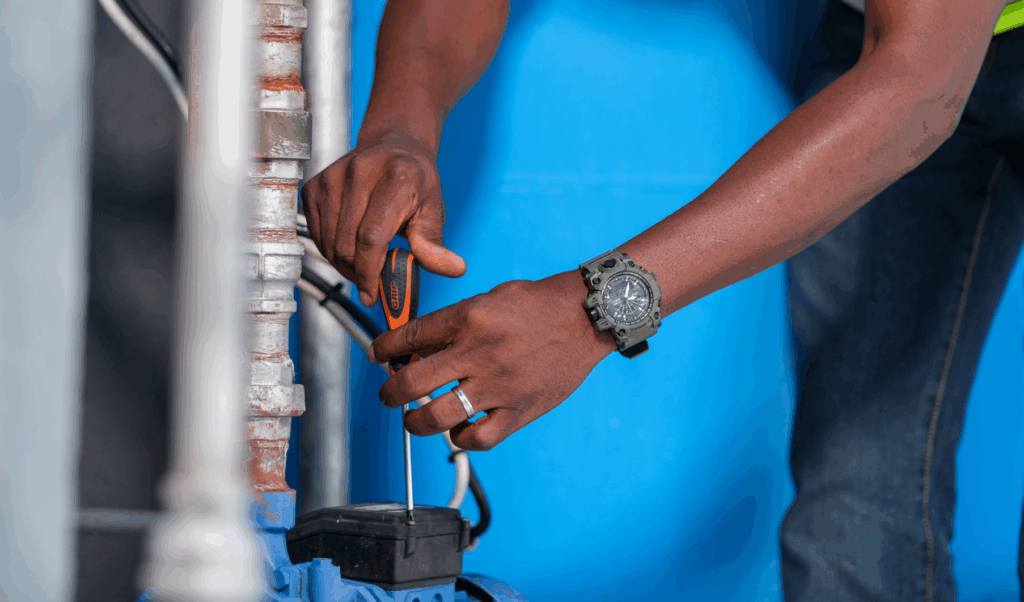
Electrical systems
A structured electrical maintenance plan focuses on identifying risks early. Distribution boards are inspected, connections are retightened, and thermal scans are used to detect overheating before components fail. Earthing, bonding, emergency lighting and changeover systems are tested on schedule to ensure everything performs correctly when needed.
Where required, compliance documentation is updated and stored properly, making inspections and audits far easier to manage.

Plumbing systems
Preventative plumbing maintenance keeps water systems stable and reliable. Pipes and lines are pressure tested, drains are cleaned before blockages develop, and geysers, valves and drip trays are inspected regularly to avoid unexpected failures.
For sites that cannot afford water interruptions, backup tanks and continuity systems are maintained so operations continue even during municipal outages.
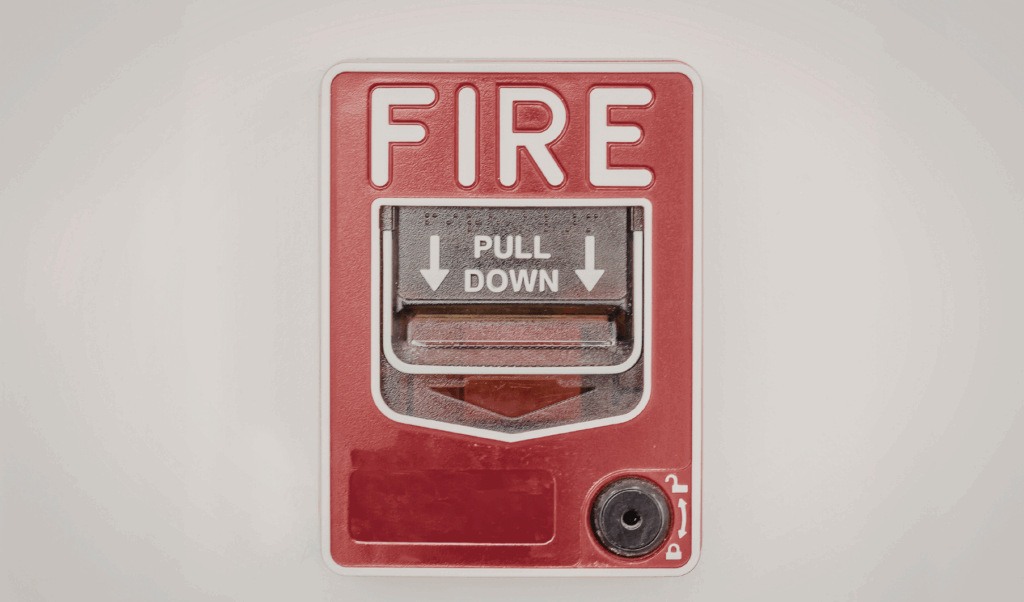
Fire safety systems
Fire protection equipment needs consistent servicing to remain effective. Extinguishers, hose reels, hydrants and suppression systems must all be inspected, tested and logged correctly. Alarm panels, sounders and emergency beacons should be verified routinely so occupants are alerted immediately during an incident.
Where sprinkler or gas suppression systems are installed, pressure testing and room integrity checks help confirm that systems will operate properly under real conditions.
The business impact of staying ahead
The benefits of proactive maintenance go beyond avoiding breakdowns.
Businesses that maintain their facilities properly generally experience fewer unexpected outages because faults are identified early and resolved before they escalate. Operating costs often improve as efficient electrical and plumbing systems reduce waste and unnecessary consumption.
Safety also improves across the site. Staff can work confidently knowing that emergency systems will function correctly if needed, while management gains peace of mind that risks are being controlled proactively.
From a compliance perspective, organised maintenance records and service logs make inspections, audits and insurance processes far smoother. When systems are properly maintained and documented, claims are easier to support and operational disruptions are reduced.
A more practical way to manage facilities
Managing multiple contractors across electrical, plumbing and fire services can become difficult, especially across larger sites or property portfolios.
A centralised maintenance approach simplifies this process. With one point of contact and scheduled service visits, businesses can keep maintenance consistent without constantly coordinating separate teams.
Weekly, fortnightly or monthly service schedules can be tailored to match the demands of the site, while cloud-based reporting systems provide visibility into work completed, response times and outstanding issues. Logged work orders, site photos and time-stamped reporting also improve SLA tracking and accountability.
For businesses managing multiple services across different locations, bundled maintenance plans can also reduce costs significantly by grouping visits and improving operational efficiency.

Simple checks worth doing this week
Even without a full audit, there are a few early warning signs worth paying attention to:
- Buzzing sounds or heat marks around distribution boards
- Damp smells, pooling water or unexplained stains near plumbing areas
- Emergency lights or fire alarms that fail testing
- Repeated nuisance trips, blocked drains or recurring system faults
Small recurring problems are often early indicators of larger failures developing behind the scenes. Logging and addressing them early usually costs far less than emergency repairs later.
Where this approach works best
Proactive facilities maintenance is especially valuable in environments where downtime affects operations directly. This includes corporate offices, retail centres, warehouses, healthcare facilities, telecoms infrastructure, mining operations, hospitality environments and residential estates.
Across these industries, consistency matters. One maintenance plan, one reporting standard and one accountable team create far better visibility and control across sites.
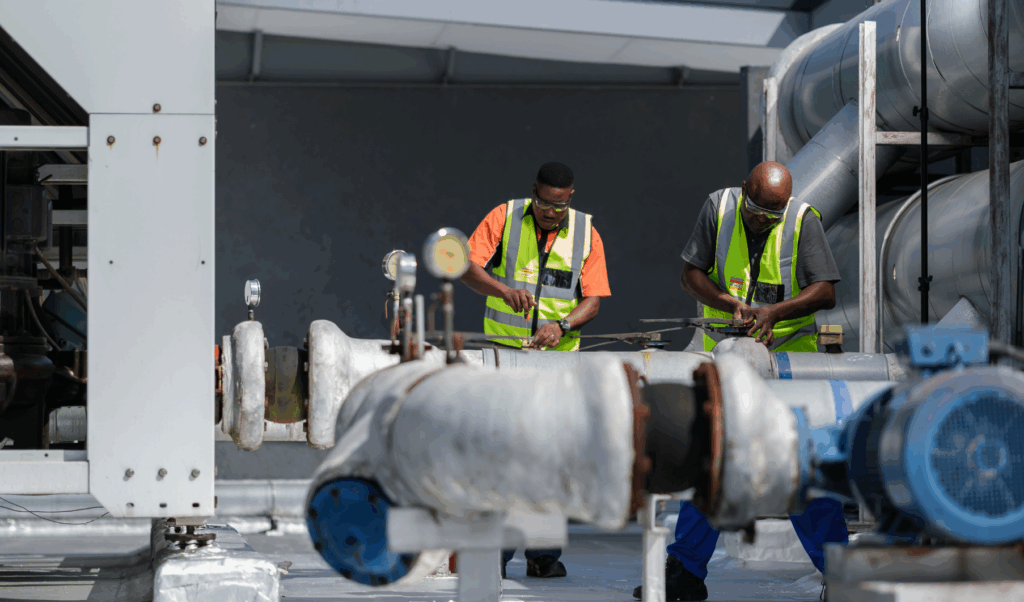
The way forward
Most costly failures do not happen suddenly. They build over time through delayed inspections, missed servicing and small issues that never received attention.
The best place to start is with a focused review of your electrical, plumbing and fire systems. From there, a realistic maintenance schedule can be built around the needs of the site and the demands of the business.
Over time, the results become measurable through fewer failures, reduced downtime and lower long-term operating costs.
Get started
Book a facilities assessment with SSG Facilities to identify risks before they become costly disruptions. You will receive clear findings, priority actions and a practical maintenance plan designed around your operation.
With the right systems, servicing and reporting in place, your business can focus less on unexpected failures and more on running smoothly every day.
